The English Bulldog is one of the most recognizable dogs in the world — and one of the most misunderstood. Their appearance can suggest stubbornness and aggression to those unfamiliar with the breed, but experienced owners know Bulldogs to be among the gentlest, most affectionate, and most loyal of all companions. The question isn't whether a Bulldog is a good dog; the question is whether you are the right match for a Bulldog.
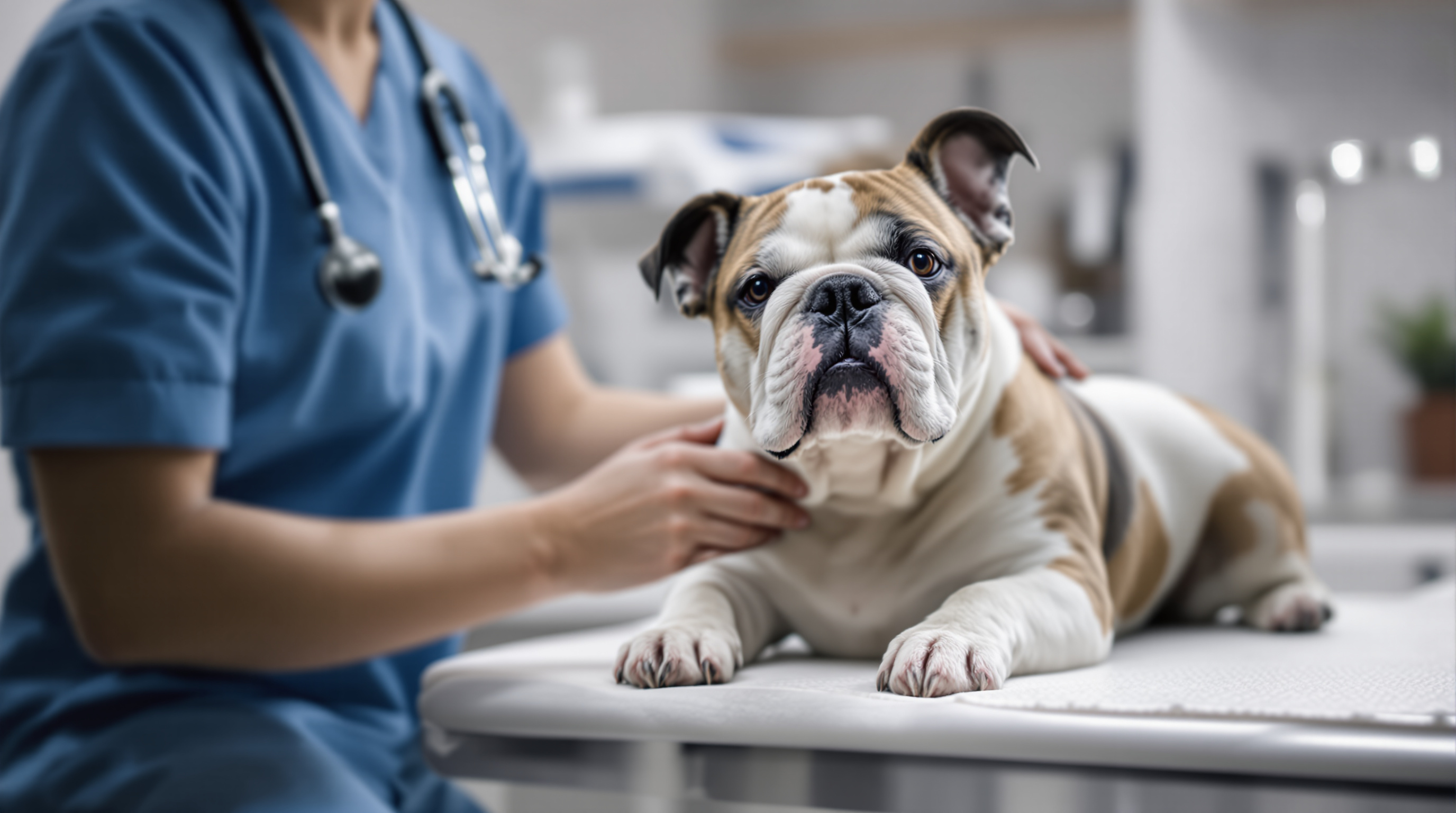
The English Bulldog's Temperament
The AKC breed standard describes the Bulldog's disposition as equable and kind, resolute and courageous — neither vicious nor aggressive. This is an accurate description. Bulldogs are famously gentle with children and are known for their patience, making them excellent family dogs.
They are devoted to their families and tend to form especially strong bonds with their primary caretakers. Most Bulldogs will follow their favorite person from room to room, content simply to be in the same space. They are not typically clingy or anxious, but they do prefer company to solitude.
Bulldogs are not high-energy dogs. They enjoy moderate play, short walks, and long naps. A Bulldog on a sofa is a Bulldog in its natural habitat. This low-energy nature makes them appealing to many people — but it also means they can gain weight easily if exercise is neglected entirely.
They can be stubborn. This is one of the breed's most famous traits. A Bulldog that does not feel like doing something can be remarkably persistent in its refusal. Patient, positive training — never harsh or punitive — is the only effective approach.
Is Your Lifestyle a Good Match?
Bulldogs are adaptable and can thrive in many living situations, but they have specific requirements that must be met for their safety and happiness.
- Apartment or small home living
- Families with children of all ages
- Owners who work from home or have flexible schedules
- Multi-pet households (with proper introductions)
- People who enjoy a calm, companionable dog
- Retirees or those with a quieter lifestyle
- Want an athletic hiking or running companion
- Live in a very hot climate without reliable air conditioning
- Cannot afford veterinary care (Bulldog health costs can be significant)
- Are away from home 10+ hours per day regularly
- Prefer an extremely trainable, eager-to-please breed
- Want a dog that can swim independently
The Cost of Owning a Bulldog
Potential owners should understand that English Bulldogs are one of the more expensive breeds to own — not just at purchase, but throughout their lives. This is not a reason to avoid the breed, but it is essential information for responsible ownership.
Purchase Price
Puppies from responsible, health-tested breeders typically range from $2,500 to $5,000 or more. This reflects the breed's breeding challenges (almost all litters require C-sections), the small litter sizes (typically 3–5 puppies), and the extensive health testing responsible breeders conduct on their breeding stock. Extremely low prices are a significant red flag.
Veterinary Costs
Bulldogs are prone to several health conditions that can require veterinary attention throughout their lives. Budget for:
- Annual wellness exams and vaccinations
- Potential respiratory surgery (soft palate, nares) — $1,500–$4,000
- Skin fold management and occasional infections
- Eye issues (cherry eye surgery — $300–$900 per eye)
- Orthopedic issues if they arise
- Pet health insurance is strongly recommended for Bulldog owners
Daily Care Costs
High-quality food, grooming supplies, toys, bedding, and a crate represent ongoing costs. Budget approximately $150–$300 per month for routine Bulldog care, plus a veterinary emergency fund of $1,500–$3,000.
Male vs. Female: Does It Matter?
Both male and female Bulldogs make excellent companions. Males tend to be slightly larger and can be more affectionate and "lapdog-like." Females are often described as more independent and occasionally more territorial. Same-sex aggression can occur in any breed — introducing a new dog of the same sex should be done carefully.
Spaying and neutering are recommended for Bulldogs not intended for ethical breeding programs. Spaying eliminates the risk of pyometra (uterine infection) and reduces mammary tumor risk. Discuss the optimal timing of spay/neuter with your veterinarian.
Puppy vs. Adult vs. Rescue
There is more than one path to Bulldog ownership.
Puppy from a breeder: You can see the parents, understand the health history, and begin socialization from a very young age. This is the highest-cost option and requires patience — responsible breeders may have waiting lists.
Adult dog from a breeder: Occasionally breeders place adult dogs — retired show champions, breeding dogs, or dogs that didn't work out in a previous home. These dogs are often housetrained and beyond the demanding puppy phase.
Rescue Bulldog: Each year, many Bulldogs need new homes through no fault of their own. Rescue organizations conduct health assessments and temperament evaluations. This can be a cost-effective and deeply rewarding path to Bulldog ownership. See our Bulldog Rescue page for more information.
Whichever route you take, ask what health testing sits behind the dog. For Bulldogs that usually means hip and, where available, cardiac and patella evaluations on the parents, plus an honest account of any airway surgery in the line. A breeder who volunteers the results before you ask is telling you something useful; one who treats the question as an insult is telling you something too. Rescues cannot offer parental history, but a good one will have had the dog examined and will be straightforward about what it found — including the things that will cost you money later.
What to Look for in a Puppy
When visiting a litter, observe the puppies and their environment carefully:
- Puppies should be clean, well-fed, and bright-eyed — not lethargic
- The environment should be clean and appropriate for young puppies
- Puppies should be curious and interested in people, not cowering or aggressive
- Ask to see both parents, or at minimum the mother
- Ask for health testing documentation: OFA cardiac, hips, and CERF eye clearances
- A reputable breeder will ask YOU questions — this is a sign they care where their puppies go
- You should receive a health guarantee, vaccination records, and a sales contract
For guidance on finding ethical breeders, see our Finding a Reputable Breeder page and the Bulldog Club of America's breeder referral program.