Whelping Bulldogs is one of the most demanding and rewarding aspects of breeding the English Bulldog. The breed's anatomy — combining large heads with narrow maternal hips — means that nearly all Bulldog litters are delivered by Cesarean section. This guide provides a thorough overview of the entire process, from pre-breeding veterinary care through the critical first weeks of a puppy's life.
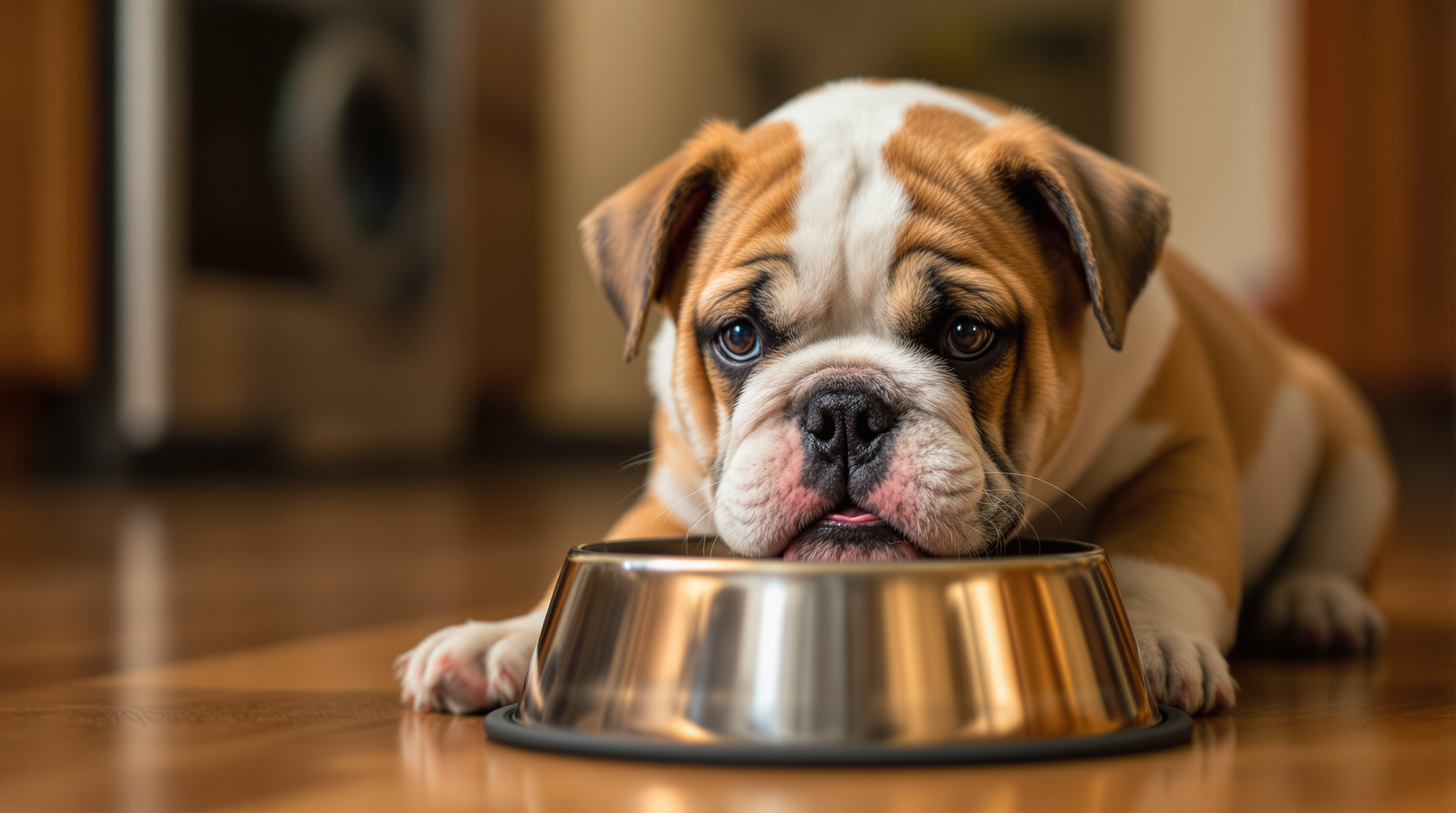
Why Cesarean Section Is the Norm
Almost all Bulldog puppies are born by Cesarean section. While free-whelping does occasionally occur, the breed is not anatomically designed to free-whelp easily or safely. The combination of the puppy's characteristically large head and the bitch's relatively narrow hips makes passage through the birth canal difficult and often dangerous for both mother and puppies.
Attempting to let a Bulldog bitch free-whelp without veterinary supervision risks fetal death from dystocia (difficult labor), uterine rupture, or maternal exhaustion and death. Most experienced Bulldog breeders schedule a planned Cesarean section at the appropriate point in gestation rather than waiting for labor to begin naturally.
The Importance of Your Veterinarian
A good veterinarian who knows and understands Bulldogs is of absolute key importance in the whelping process. This relationship should be established well before the breeding takes place. Your vet should have experience with brachycephalic breed surgery, as Bulldog C-sections carry anesthesia risks that a vet experienced with the breed is best equipped to manage.
Your veterinarian should check the bitch before breeding to confirm she is in good health and appropriate weight. Overweight Bulldogs face significantly elevated surgical risks. The Bulldog Club of America recommends that breeders establish this veterinary partnership early and maintain open communication throughout the reproductive cycle.
Prenatal Veterinary Care Timeline
The breeding-to-whelping cycle for Bulldogs typically spans approximately 63 days from conception. Key veterinary visits include:
Day 28 or Later: Pregnancy Confirmation
An initial visit 28 or more days after the breeding will assess whether the bitch is pregnant. Ultrasonography is the preferred method at this stage, as it can detect fetal heartbeats and help estimate litter size. Blood progesterone testing prior to breeding is highly recommended to pinpoint ovulation and optimal breeding timing, which in turn helps accurately calculate the due date.
Many breeders put their bitches on vitamin supplements during the period of pregnancy. Folic acid is commonly recommended. Consult with your veterinarian before starting any supplements — some vitamins can be harmful in excess.
Two Weeks Before Delivery: Pre-Whelp Exam
About two weeks before the expected delivery date, your vet will examine the bitch again. At this visit, expect:
- Radiography (X-ray) to count fetal skeletons and assess puppy size relative to the birth canal
- Assessment of the bitch's overall condition
- Discussion of the C-section plan and scheduling
- Instructions on signs of labor onset and when to call
Final Week: Daily Contact
From one week before the expected date of delivery onward, you should be in contact with your vet daily. Between 12 and 24 hours before the bitch will deliver, her rectal temperature will drop from the normal range of 101–102.5°F to below 99°F. This temperature drop is a reliable sign that whelping is imminent. Taking your bitch's temperature twice daily in the final week allows you to detect this drop and prepare accordingly.
Preparing the Whelping Area
Set up the whelping area two to three weeks before the due date to allow the bitch to become comfortable with it. A whelping box provides a safe, contained space for delivery and the early weeks of puppyhood.
Whelping box requirements:
- Large enough for the bitch to stretch out fully
- Pig rails (also called guard rails) along the inside perimeter to prevent the mother from inadvertently crushing puppies against the sides
- Easily cleaned surfaces — many breeders use newspaper covered by whelping pads or clean towels
- Low enough at the entrance for puppies to remain inside while allowing the mother to step in and out easily
- Located in a warm, draft-free, quiet area of the home
A heat lamp or heating pad (set on low, covered by a towel, and positioned so puppies can move away from the heat) should be ready to warm puppies immediately after delivery. Newborn Bulldogs cannot regulate their own body temperature and can fade quickly if chilled.
The Cesarean Section: What to Expect
The planned C-section for Bulldogs is typically scheduled based on the temperature drop, progesterone levels, and the puppy count from pre-whelp radiography. Your veterinarian will advise on the precise timing.
On the day of surgery: Fast the bitch from midnight the night before (no food or water after midnight unless your vet advises otherwise). Arrive at the clinic as scheduled. The surgical team will monitor anesthesia carefully — Bulldogs are high-risk anesthesia patients due to their compromised airways. Most experienced veterinary teams will have oxygen and reversal agents on hand throughout.
Have an experienced helper accompany you if possible. While the surgical team focuses on the bitch, a helper can immediately take each puppy as it is removed and begin stimulation — rubbing the puppy vigorously with warm towels, clearing the airway, and encouraging that first breath.
Newborn Puppy Care
The first 24–48 hours of a Bulldog puppy's life are critical. Attention to warmth, nursing, and early elimination is essential.
Warmth
Newborn puppies cannot regulate body temperature. The whelping area should be maintained at approximately 85–90°F for the first week, reduced gradually to about 75–80°F by weeks two and three. Puppies that are cold will cry constantly, lose weight, and fade. A fading puppy should be warmed and offered supplemental nutrition while a veterinarian is contacted.
Nursing and Colostrum
Colostrum — the first milk — is rich in maternal antibodies and is crucial to the puppies' immune development. Ensure all puppies nurse within the first two hours of birth. If a puppy cannot latch, use a small syringe to provide expressed colostrum. Puppies that fail to receive adequate colostrum in the first 24 hours have significantly reduced disease resistance.
Watch for puppies being pushed off nipples by larger littermates. All puppies should gain weight daily from day one. Weigh each puppy at birth and daily for the first two weeks, recording results. A puppy losing weight for more than 24 hours needs supplemental feeding. Bulldog-appropriate milk replacer is available from veterinary suppliers and should be kept on hand.
Stimulation
Newborn puppies cannot urinate or defecate independently. For the first two to three weeks, the mother licks the puppies' abdomens and perineal areas to stimulate elimination. If the bitch is temporarily absent or unwilling, the breeder must stimulate each puppy after each feeding using a warm, damp cotton ball, gently rubbing the area until the puppy eliminates.
The First Four Weeks
Bulldog puppies are born with their eyes and ear canals closed. Eyes typically open around 10–14 days of age; ears open shortly after. During this neonatal period, the puppies' world is defined by touch, warmth, and smell. They should be handled gently but regularly by humans — this early socialization builds a foundation for friendly, confident temperaments.
Week 1–2
Puppies sleep and nurse. Weight should increase daily. The litter should be monitored for fading puppy syndrome — a rapid decline seen when puppies are chilled, underfed, or carry bacterial or viral infections. Any puppy that seems weak, cold, or not nursing must receive immediate veterinary attention.
Week 3–4
Eyes and ears open. Puppies begin to stand unsteadily and interact with littermates. The weaning process can begin around 3.5–4 weeks by offering a shallow dish of softened puppy food (kibble soaked in warm water to a porridge consistency). The bitch will naturally begin spending less time in the whelping box.
Week 5–8
Rapid socialization period. Puppies should be exposed to a variety of gentle human contact, household sounds, and varied surfaces. Vaccination and deworming protocols begin — follow your veterinarian's schedule. Puppies are generally ready for their new homes at eight weeks of age, provided they are eating independently, socialized, and have received their first vaccinations.